
Smarter SaaS Productivity Tools Rise in 2026
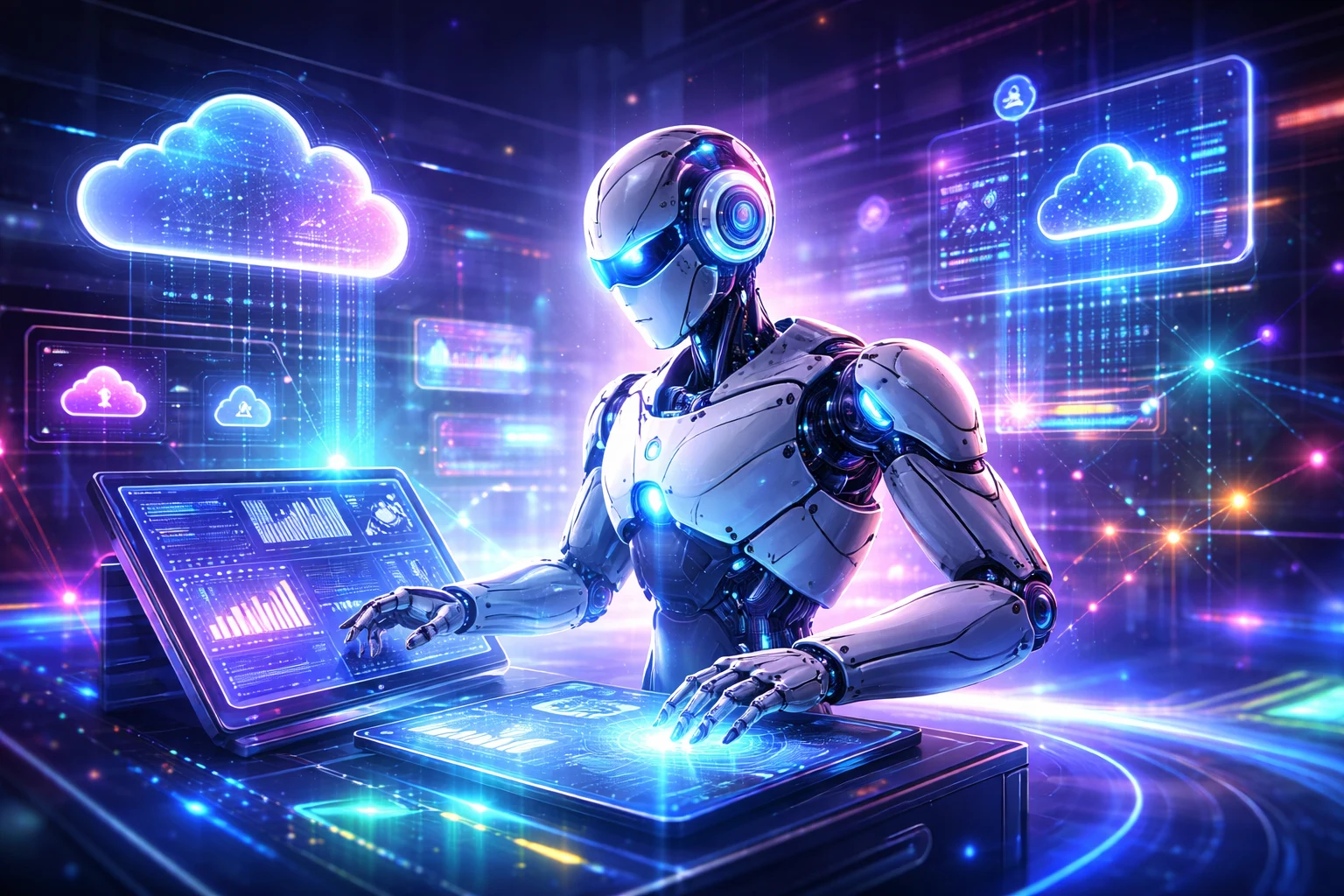
The world of work is changing fast, and SaaS productivity tools 2026 are becoming one of the biggest reasons why. What used to be simple apps for note-taking, file sharing, project tracking, and communication have now transformed into intelligent digital workspaces powered by automation, predictive analytics, and artificial intelligence. Businesses are no longer looking for software that only stores tasks or sends reminders. They want platforms that think ahead, reduce repetitive work, and help teams move faster with fewer resources.
In 2026, productivity is no longer measured by how busy people look. It is measured by outcomes, speed, clarity, and the ability to adapt. This shift has pushed SaaS companies to redesign their products into smarter systems that support real-time decision-making. From AI assistants that summarize meetings instantly to platforms that automatically prioritize workloads, modern tools are doing much more than helping people stay organized.
For startups, enterprises, freelancers, and remote teams, this new generation of software is becoming essential. It saves time, lowers costs, and gives teams an advantage in increasingly competitive markets. Companies that ignore this trend may find themselves slower, more expensive, and harder to scale.
The rise of intelligent software also reflects a bigger workplace culture shift. People want simpler workflows, less manual admin, and more time for creative or strategic work. Employees are tired of jumping between disconnected apps, wasting hours in meetings, and repeating tasks that machines can easily handle. Smart SaaS tools are solving that pain point.
This article explores why SaaS productivity tools 2026 are becoming smarter, what technologies are driving the trend, which features are dominating the market, and how businesses can benefit from adopting the right platforms today.
Why Productivity Software Needed an Upgrade
For years, companies relied on a stack of disconnected tools. One app for communication, another for tasks, another for documents, another for CRM, and several more for analytics. While each tool had value, the combined experience often created friction instead of efficiency.
Workers had to switch tabs constantly. Information became scattered across platforms. Notifications exploded. Meetings multiplied just to align everyone. Instead of boosting productivity, some software ecosystems created digital chaos.
That problem became impossible to ignore as hybrid and remote work expanded globally. Teams working across time zones needed faster coordination. Managers needed visibility without micromanaging. Employees needed clarity without endless calls.
This is where the new wave of smart SaaS productivity tools entered the market. Rather than acting as isolated apps, they now function as connected intelligence hubs. They gather data, learn patterns, automate tasks, and simplify communication.
The result is a better workflow where software supports people rather than distracting them.
Artificial Intelligence Is the Main Driver
The biggest force behind smarter tools in 2026 is AI. Productivity software companies are embedding machine learning and generative AI into nearly every category.
Instead of manually creating meeting notes, AI now listens, summarizes key decisions, and assigns next steps automatically. Instead of reading long reports, users receive short strategic summaries. Instead of guessing priorities, AI recommends which tasks matter most based on deadlines, dependencies, and team bandwidth.
This shift matters because time is now one of the most expensive business resources. Smart automation turns hours into minutes.
Examples of AI-powered productivity features in 2026 include:
1. AI Writing Assistants
Teams use AI to draft emails, reports, proposals, and internal updates faster. It reduces writer’s block and improves consistency across communication.
2. Meeting Intelligence
AI records calls, generates transcripts, extracts action items, and creates searchable knowledge libraries from discussions.
3. Workflow Automation
Repetitive actions such as approvals, reminders, follow-ups, data entry, and scheduling are increasingly handled automatically.
4. Predictive Analytics
Software predicts project delays, customer churn, staffing gaps, and missed deadlines before they happen.
5. Smart Search
Instead of manually looking through folders, users can ask natural language questions and instantly find answers across company data.
This is why AI is no longer optional in SaaS. It has become expected.
The End of Tool Overload
One of the most talked-about trends in SaaS productivity tools 2026 is consolidation. Businesses are tired of paying for dozens of subscriptions that barely integrate with each other.
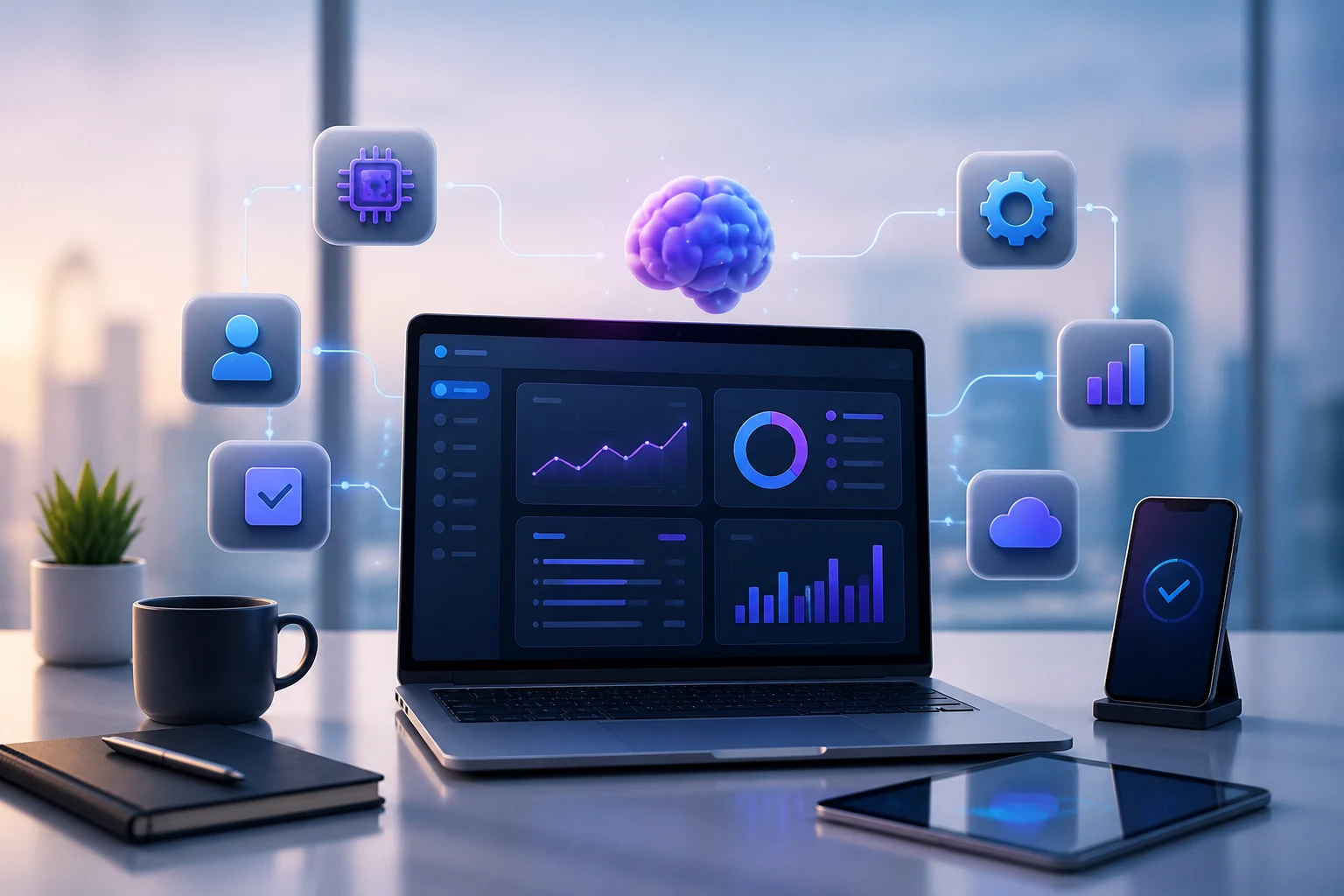
Modern platforms are responding by bundling communication, project management, docs, AI assistants, analytics, and collaboration into one ecosystem.
That means fewer logins, fewer integrations to maintain, and lower software spend. It also creates a cleaner employee experience.
Instead of opening five apps before breakfast, workers can manage their day from a single dashboard.
This trend especially benefits startups and SMBs that need lean operations. Rather than hiring large admin teams, they can run with smaller teams supported by smarter software.
Remote Work Still Shapes the Market
Even in 2026, flexible work remains a defining force. Many companies now use hybrid models where teams split time between office and remote environments.
That means productivity software must work anywhere, on any device, with asynchronous collaboration built in.
Smarter tools now include:
- Instant video summaries for people who missed meetings
- Shared live documents with AI editing help
- Auto timezone scheduling
- Smart status updates without manual check-ins
- Team dashboards showing progress in real time
- Voice-to-task conversion for mobile workers
This matters because modern teams are distributed. Productivity software that assumes everyone sits in one office is outdated.
How Gen Z Is Changing Workplace Software
A major reason these tools are evolving quickly is the growing influence of Gen Z workers and founders.
This generation values speed, clean UX, mobile-first experiences, personalization, and low-friction communication. They expect workplace tools to feel as intuitive as consumer apps.
If software feels slow, clunky, or confusing, adoption drops fast.
That pressure is pushing SaaS brands to redesign interfaces, improve onboarding, reduce clicks, and use conversational AI interfaces.
Instead of navigating complex menus, users can simply type:
- Build a project timeline for product launch
- Summarize unread updates from marketing
- Draft client follow-up email
- Show tasks blocked this week
That is a much more natural way to work.
Top Categories Winning in 2026
Not all productivity software is growing equally. Some categories are dominating attention and budgets.
Project Management Platforms
Modern project tools now predict delays, recommend workload balancing, and auto-generate progress reports.
Collaboration Suites
Shared docs, chat, whiteboards, and video tools are merging into connected ecosystems.
Knowledge Management
AI turns company documents into searchable internal brains, reducing repeated questions.
Sales Productivity SaaS
CRM systems now coach reps, draft outreach, and prioritize leads automatically.
Operations Automation
Finance, HR, procurement, and admin workflows are being streamlined through no-code automation.
Creator and Solo Business Tools
Freelancers and creators use all-in-one SaaS stacks for content planning, invoicing, scheduling, and audience management.
Security Becomes a Core Feature
As productivity platforms gain access to sensitive company data, security expectations are rising fast.
Businesses now ask:
- Where is data stored?
- Is AI trained on private content?
- Are permissions role-based?
- Can access be audited?
- Is there encryption by default?
The smartest vendors understand that productivity without trust is useless.
That is why many platforms now promote private AI models, admin controls, compliance certifications, and zero-trust architecture.
In 2026, security is no longer a side feature. It is part of the product value.
What Businesses Gain by Upgrading
Companies that adopt modern SaaS productivity tools are seeing measurable benefits.
1. Faster Execution
Projects move quicker when tasks are automated and communication is centralized.
2. Lower Costs
Smaller teams can achieve more with fewer manual processes.
3. Better Decisions
Live analytics and AI recommendations improve planning.
4. Happier Employees
Less repetitive work means more energy for meaningful tasks.
5. Easier Scaling
Systems grow with the business instead of breaking under complexity.
These gains explain why software budgets are shifting toward productivity categories despite economic caution.
Common Mistakes Companies Still Make
Even with better tools available, many businesses still fail during implementation.
Buying Too Many Apps
More tools do not equal more productivity. Often the opposite is true.
Ignoring Training
Employees need onboarding to use advanced features effectively.
No Workflow Redesign
Installing software without changing broken processes rarely helps.
Choosing Based Only on Price
Cheap tools can become expensive if they waste time or fail to scale.
Not Measuring ROI
Leaders should track saved hours, reduced errors, and faster delivery after adoption.
What to Look for in 2026 Software
When evaluating platforms this year, smart buyers focus on practical value instead of hype.
Look for:
- Strong integrations with existing tools
- Real AI usefulness, not gimmicks
- Fast user adoption potential
- Transparent pricing
- Mobile and desktop quality
- Reliable support
- Security standards
- Automation flexibility
- Scalable architecture
The best software removes friction immediately.
The Rise of Vertical SaaS Productivity
Another trend growing rapidly is vertical-specific tools. Instead of one generic platform for everyone, many vendors now target industries directly.
Examples include:
- Productivity SaaS for legal teams
- Construction workflow platforms
- Healthcare operations tools
- Marketing campaign systems
- E-commerce operations hubs
- Agency client management suites
These products understand niche workflows better than general software.
That means faster setup, better templates, and stronger ROI.
Why 2026 Is a Turning Point
This year feels different because intelligence has moved from optional add-on to default expectation.
Businesses no longer ask whether software includes AI. They ask whether it saves time immediately.
They no longer ask if tools have dashboards. They ask whether insights are actionable.
They no longer ask if apps integrate. They ask whether workflows happen automatically.
That mindset shift means old-generation productivity software may struggle unless it evolves fast.
Future Outlook Beyond 2026
The next stage of SaaS productivity likely includes autonomous workflows where software completes multi-step objectives with minimal supervision.
Imagine typing:
Launch webinar campaign next month.
Then the system could:
- Build timeline
- Assign owners
- Draft landing page copy
- Schedule meetings
- Prepare email sequences
- Track signups
- Generate performance reports
That future is closer than many expect.
Human workers will still lead strategy, creativity, and relationships. But execution layers will increasingly be assisted by software agents.
Final Thoughts
The rise of SaaS productivity tools 2026 shows that work software is entering a smarter era. Businesses want less friction, fewer wasted hours, and more output from every team member. AI, automation, connected platforms, and cleaner user experiences are making that possible.
This trend is not about replacing people. It is about removing low-value busywork so people can focus on thinking, creating, selling, solving, and leading.
For startups, enterprises, and solo operators alike, the message is clear: outdated tools slow growth. Smarter tools create momentum.
In a market where speed wins and attention is expensive, productivity software is no longer just infrastructure. It is strategy.