
Quantum Security SaaS Reshapes Cyber Defense
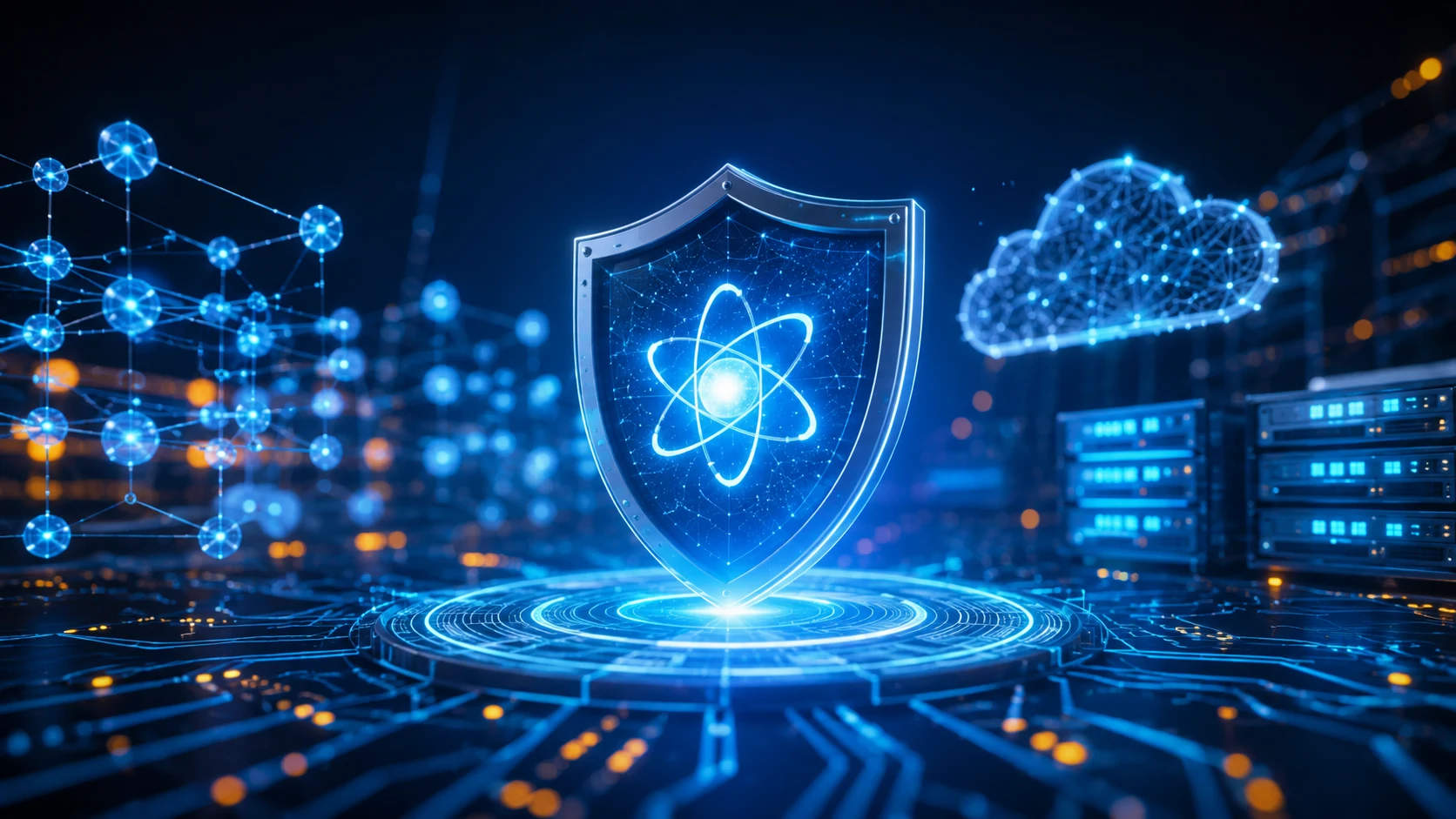
The conversation around cybersecurity used to sound simple. Companies worried about phishing emails, leaked passwords, ransomware attacks, and maybe a few rogue insiders trying to access private systems. But over the last two years, the tone inside the tech industry has shifted hard. Suddenly, executives, SaaS founders, cloud engineers, and even startup investors are talking about something that once felt like science fiction: quantum computing. More specifically, they are talking about how quantum machines could eventually destroy the encryption standards protecting modern internet infrastructure. That fear is exactly why Quantum Security SaaS has started becoming one of the fastest-growing conversations inside enterprise technology circles.
At first, many people ignored the warnings because quantum computing still sounded distant. The average startup founder was more focused on scaling APIs, improving AI integrations, and cutting cloud costs than preparing for post-quantum cryptography. But the moment governments, cybersecurity agencies, and major cloud providers began openly discussing “harvest now, decrypt later” attacks, the mood changed fast. Businesses realized hackers do not need a powerful quantum computer today to create future damage. They can steal encrypted data now and simply wait until quantum systems become powerful enough to crack it later. That realization completely changed how modern SaaS companies think about security infrastructure.
The rise of Quantum Security SaaS platforms is happening because businesses no longer want cybersecurity tools that only protect them in the present moment. They want systems designed for the next decade. Modern organizations are now looking for encryption migration tools, quantum-safe authentication layers, post-quantum key management systems, and AI-driven threat detection platforms that can evolve alongside future computing capabilities. This is not just another temporary cybersecurity trend driven by marketing hype. It is slowly becoming part of the long-term digital survival strategy for companies operating in finance, healthcare, SaaS, e-commerce, cloud computing, and even AI development itself.
What makes this shift even more interesting is the fact that quantum security is no longer reserved for massive governments or elite defense contractors. SaaS companies are actively turning complex post-quantum protection into subscription-based cloud services accessible to startups, remote teams, and mid-sized enterprises. That democratization is changing the entire cybersecurity landscape. Suddenly, businesses that could never afford advanced cryptographic infrastructure are gaining access to enterprise-grade protection through scalable SaaS platforms. And honestly, this transition feels very similar to the early cloud computing boom years ago, when traditional on-premise systems slowly gave way to flexible cloud-first ecosystems.
Why Quantum Computing Terrifies Cybersecurity Experts
The modern internet depends heavily on encryption standards like RSA and ECC. These systems protect everything from online banking transactions to cloud storage platforms and encrypted messaging apps. Right now, classical computers would need an absurd amount of time to break these cryptographic systems through brute force attacks. That difficulty is what makes digital communication secure in the current era. But quantum computing changes the equation entirely because it operates using quantum mechanics instead of traditional binary processing.
Quantum computers can theoretically solve certain mathematical problems exponentially faster than classical systems. One of the biggest concerns comes from Shor’s Algorithm, which could potentially crack widely used public-key encryption methods once quantum hardware becomes powerful enough. This creates a nightmare scenario for organizations that store long-term sensitive information. Even if quantum machines capable of doing this at scale are not fully operational yet, security experts know the transition period toward quantum-safe encryption could take years. Waiting until the threat becomes immediate would already be too late.
This is why governments worldwide are aggressively preparing post-quantum cryptography standards. Enterprises are beginning to understand that cybersecurity is no longer only about defending against present-day attacks. It is about preparing for future decryption risks before they become mainstream problems. The companies moving early into Quantum Security SaaS solutions are essentially treating cybersecurity as a long-term infrastructure investment rather than a short-term operational expense.
Another reason this issue feels urgent is because digital transformation accelerated everything. Businesses now operate across hybrid cloud systems, remote work environments, API-heavy infrastructures, and AI-powered automation ecosystems. Every additional connected system creates another layer of vulnerability. Quantum threats amplify those risks because weak encryption anywhere inside a company’s ecosystem can become an entry point for larger attacks later. That interconnected reality is pushing SaaS providers to rethink how security should function in a future dominated by AI and quantum technologies simultaneously.
The Rise of Quantum Security SaaS Platforms
Traditional cybersecurity tools were mostly reactive. They focused on detecting breaches after suspicious activity already appeared. But the new generation of Quantum Security SaaS platforms is built around proactive adaptation. Instead of waiting for quantum computing to become mainstream, these companies are helping organizations transition toward quantum-resistant infrastructure today. That strategic shift is becoming one of the biggest differentiators in modern enterprise SaaS markets.
Many emerging platforms now offer post-quantum encryption migration services directly through cloud dashboards. Businesses can analyze vulnerable systems, identify outdated cryptographic protocols, and deploy quantum-safe algorithms without completely rebuilding their infrastructure from scratch. This approach matters because most companies do not have the internal expertise needed to navigate post-quantum cryptography alone. SaaS providers are essentially turning highly technical quantum security processes into accessible subscription-based products.
One major trend inside this industry is the integration between AI automation and quantum-safe security tools. Companies are building intelligent threat analysis systems capable of continuously monitoring encryption health, authentication integrity, and API vulnerabilities in real time. The goal is not just preventing breaches. The goal is creating adaptive cybersecurity ecosystems capable of evolving automatically as threat landscapes change. This combination of AI and quantum security is quickly becoming one of the most attractive narratives in enterprise technology markets.
Another reason the SaaS model works so well here is scalability. Smaller startups cannot realistically build dedicated post-quantum security infrastructure internally. But through SaaS platforms, they can access enterprise-grade encryption tools, secure cloud authentication, and quantum-safe communication systems at predictable monthly costs. That accessibility is opening an entirely new market category inside cybersecurity itself.
How AI and Quantum Security Are Becoming Connected
The relationship between AI and Quantum Security SaaS is becoming impossible to ignore. AI systems already process massive amounts of sensitive data every day, including customer records, financial information, healthcare data, and enterprise analytics. As AI adoption accelerates, the amount of critical information stored inside cloud ecosystems also increases dramatically. That makes stronger encryption and future-proof cybersecurity even more important.
At the same time, AI itself is helping cybersecurity companies respond faster to evolving threats. Modern SaaS security platforms now use machine learning models to identify unusual network behavior, detect authentication anomalies, and automate vulnerability analysis. These AI-driven systems can respond much faster than traditional manual security operations. In a future where quantum computing may accelerate attack capabilities, automated defense systems become essential rather than optional.
What makes the situation more intense is the speed of innovation happening simultaneously across AI and quantum research. Cloud providers are investing billions into both industries at the same time. Startups are racing to combine AI-powered security orchestration with quantum-safe encryption management. Investors are paying close attention because this intersection represents one of the few sectors where future demand feels almost guaranteed. Businesses cannot afford to ignore cybersecurity evolution when their entire operational infrastructure depends on digital trust.
Another important factor is consumer awareness. Users are becoming more conscious about data privacy, identity protection, and cloud security. Customers now expect SaaS companies to provide strong encryption and transparent security policies by default. Businesses that actively market quantum-safe protection may eventually gain competitive advantages in industries where trust matters heavily, including fintech, healthtech, legal SaaS, and enterprise collaboration platforms.
Why Enterprises Are Investing Early
Large enterprises rarely move quickly unless they believe a long-term risk is unavoidable. The growing investment wave surrounding Quantum Security SaaS shows that corporations are taking the quantum threat seriously. Financial institutions are especially aggressive because encrypted financial records often need to remain secure for decades. Banks understand that stolen encrypted data today could become readable years later if quantum computing capabilities mature fast enough.
Healthcare companies face similar concerns. Medical records contain highly sensitive personal information with long-term value. Governments and defense organizations are also preparing for post-quantum transitions because national security communications depend heavily on encryption resilience. This broad institutional concern is pushing SaaS vendors to rapidly expand quantum-safe service offerings across multiple industries.
Another major reason enterprises are moving early involves compliance expectations. Regulatory frameworks often evolve slowly, but once governments finalize post-quantum standards, businesses may face intense pressure to adapt quickly. Companies investing now can avoid rushed migrations later. They also gain reputational advantages by presenting themselves as proactive cybersecurity leaders rather than reactive followers.
Cloud infrastructure providers are contributing heavily to this momentum as well. Major technology ecosystems are beginning to support quantum-resistant cryptographic standards across APIs, cloud services, and authentication systems. As these foundational technologies become normalized, SaaS companies will likely face growing expectations to integrate quantum-safe security into their products by default.
The Business Opportunities Behind Quantum Security
For SaaS founders, the rise of Quantum Security SaaS is not only a defensive movement. It is also a massive business opportunity. Cybersecurity spending continues growing every year because digital infrastructure keeps expanding globally. Quantum threats add an entirely new layer of urgency that could create billions in future market demand across software security ecosystems.
Startups entering this space are exploring multiple directions simultaneously. Some focus on quantum-safe communication platforms. Others build encryption migration management systems, identity verification tools, secure cloud storage services, or AI-powered compliance automation platforms. The diversity of opportunities is huge because quantum security impacts nearly every industry connected to digital infrastructure.
Investors are especially interested in SaaS businesses that can simplify extremely technical cybersecurity processes. Companies capable of translating complex post-quantum cryptography into user-friendly enterprise workflows may dominate future markets. Businesses do not just want advanced security. They want scalable security that integrates smoothly into existing operations without creating operational chaos.
There is also growing interest in hybrid security models combining classical encryption with post-quantum algorithms during transition periods. This approach allows businesses to gradually modernize security infrastructure without breaking compatibility with current systems. SaaS providers capable of managing these transitions efficiently could become critical infrastructure partners for enterprise clients over the next decade.
Challenges Facing Quantum Security SaaS
Despite all the excitement, the industry still faces major challenges. One of the biggest problems is uncertainty around quantum computing timelines. Nobody knows exactly when quantum machines capable of breaking current encryption at scale will become commercially viable. Some experts believe it could take decades, while others think rapid breakthroughs could accelerate progress dramatically. That uncertainty creates hesitation among some businesses that prefer waiting before investing heavily.
Another challenge involves complexity. Post-quantum cryptography is not simple technology. Many organizations struggle to understand how quantum-safe systems work, which vendors to trust, and how migration processes should happen. SaaS companies must balance technical sophistication with usability if they want mainstream adoption.
Performance concerns also exist. Some quantum-resistant cryptographic algorithms require larger key sizes and more computational resources than traditional encryption methods. Businesses worry about how these systems could impact speed, scalability, and cloud infrastructure costs. SaaS vendors are working aggressively to optimize performance, but this remains an important conversation inside enterprise IT environments.
Trust is another critical issue. Cybersecurity companies already operate in a highly competitive industry where reputation matters massively. New Quantum Security SaaS startups must prove their technology is credible, scalable, and future-ready. Enterprises will not trust critical infrastructure protection to vendors that appear unstable or inexperienced.
The Future of Quantum Security in SaaS
The future of Quantum Security SaaS feels less like a niche technology trend and more like the beginning of a major infrastructure transition. Just as cloud computing eventually became standard business architecture, quantum-safe cybersecurity may eventually become default digital hygiene for modern organizations. Businesses that prepare early could gain significant operational advantages in security resilience, customer trust, and regulatory readiness.
What makes this moment fascinating is the convergence happening across multiple technologies simultaneously. AI is transforming automation. Cloud systems are reshaping infrastructure. Quantum computing is challenging encryption standards. SaaS companies sit directly in the middle of all these transitions. That positioning gives them enormous influence over how future digital ecosystems evolve.
Younger tech founders are also approaching cybersecurity differently compared to older enterprise generations. Modern startups increasingly view security as part of product experience rather than an invisible backend function. Customers now expect privacy, encryption, and secure infrastructure to be integrated naturally into SaaS products. Quantum-safe protection may soon become another standard expectation instead of a premium feature.
The competitive landscape will likely become intense over the next few years. Some companies will overpromise and underdeliver. Others will quietly build foundational infrastructure that becomes critical to enterprise operations later. The winners will probably be platforms capable of combining usability, automation, scalability, and genuine cryptographic resilience into seamless SaaS ecosystems.
Conclusion
The rise of Quantum Security SaaS represents something bigger than another cybersecurity trend. It reflects a growing realization that digital infrastructure must evolve ahead of future threats instead of reacting after damage already happens. Quantum computing may still be developing, but businesses no longer see it as a distant theoretical problem. They see it as a future reality that demands preparation right now.
As organizations become more dependent on cloud ecosystems, AI automation, and interconnected digital services, the value of future-proof cybersecurity increases dramatically. Companies want encryption systems capable of surviving the next technological era, not just the current one. That demand is creating enormous momentum behind SaaS platforms focused on post-quantum security, intelligent threat detection, and adaptive encryption management.
The next decade could completely redefine how businesses think about trust, privacy, and cybersecurity infrastructure. And honestly, the companies building strong Quantum Security SaaS ecosystems today may end up shaping the future architecture of the internet itself.